

Hormone Therapy for Women in Baton Rouge

A careful evaluation, a plan made together, and real follow-up
Hormone therapy has been misunderstood for two decades. Some women were told it was dangerous and never revisited the question. Others have been offered it without a real conversation about whether it fits. Both deserve better.
At Femme Executive Health, hormone therapy is prescribed and managed by Dr. Kate Freeman, a board-certified family medicine physician and Menopause Society Certified Practitioner (MSCP). It starts with a careful evaluation, it is decided together, and it is followed closely over time.
When Hormones May Be Part of the Picture
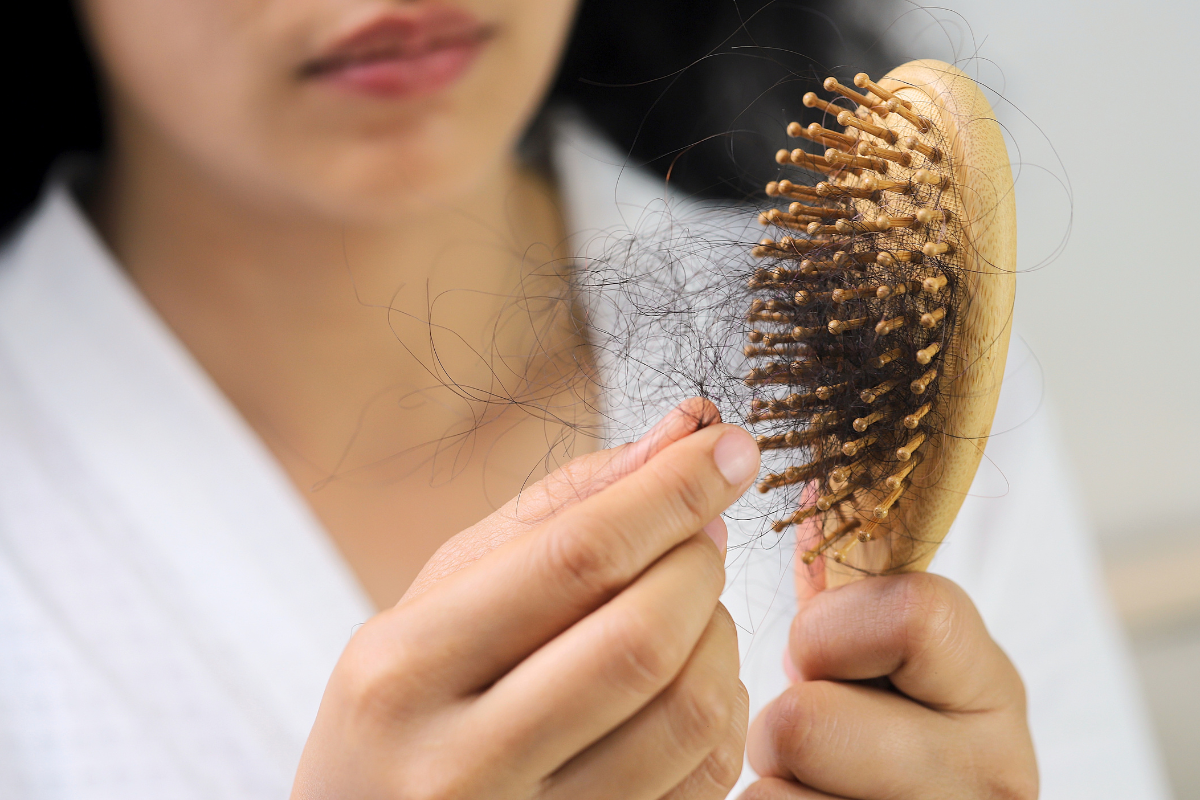
Shifting estrogen, progesterone, and testosterone can affect far more than your cycle. Women often come in about hot flashes, night sweats, poor sleep, mood changes, hair shedding, brain fog, vaginal dryness, lower desire, or changes in weight and energy.
Hormones are not always the cause, and part of Dr. Freeman’s job is working out what is and what is not.
What Hormone Therapy Is

Hormone therapy (often called HT, HRT, or menopause hormone therapy) replaces hormones the body makes less of during perimenopause and after menopause. It comes in different forms, such as pills, patches, gels, sprays, and vaginal treatments. The type, form, and dose are chosen for you, not pulled from a standard protocol.
Hormone therapies Dr. Freeman offers include:
Estrogen and progesterone therapy for perimenopause and menopause, alone or combined, as a patch, gel, spray, or pill
Testosterone therapy for women when appropriate, most often for low sexual desire, with careful monitoring
Vaginal estrogen or vaginal DHEA for dryness, painful intercourse, and recurring urinary symptoms (genitourinary syndrome of menopause, or GSM)
Hormonal birth control and IUDs to manage perimenopause bleeding, symptoms, and contraception
Dr. Freeman primarily uses FDA-approved hormone therapies.
Is Hormone Therapy Safe?
This is the question that keeps many women from asking at all. Much of the fear traces back to research published in the early 2000s. Since then, the evidence has been studied extensively, and guidance has become far more nuanced. For many women, hormone therapy is a reasonable option to discuss. For some, it is not the right choice.
The honest answer is that it depends on you: your age, how long it has been since your last period, your personal and family history, and what you want from treatment. Dr. Freeman walks through the benefits, the risks, and the alternatives with you, so the decision is an informed one.

How Hormone Therapy Works at Femme
A full evaluation. Your history, your symptoms, your goals, and a review of anything that could make hormone therapy a poor fit.
Lab work where it helps. The Comprehensive membership includes a full women’s hormone panel along with heart and metabolic markers.
A plan you make together. The options, the form, and the reasons, explained in plain language.
Follow-up and adjustment. How you feel in the first weeks and months guides what happens next. Members can message Dr. Freeman directly between visits.
Ongoing review. Whether hormone therapy is still right for you is revisited over time, not set and forgotten.

When Hormone Therapy May Not Be the Right Fit
Hormone therapy is not right for everyone. Certain health histories, such as some cancers, blood clots, stroke, or liver disease, can make it a poor fit or call for a different approach. If hormone therapy is not a good option for you, Dr. Freeman will talk through non-hormonal treatments and other strategies that can help. Menopause & Perimenopause Care
Questions Women Ask
-
There is no single test that gives a yes or no. The decision comes from your symptoms, how much they affect your life, your health history, and your preferences. That is what the evaluation is for.
-
Some women notice a difference within a few weeks. For others it takes a few months, and the plan may be adjusted along the way. Dr. Freeman will tell you what to expect from your specific plan.
-
Yes, hormone therapy can be considered during perimenopause as well as after menopause. Timing matters, and your age and time since your last period are part of the conversation about benefits and risks.
-
There is no single cutoff that applies to everyone. Your plan is reviewed regularly, and the right length depends on your symptoms, your health, and your goals.
-
Your evaluation, follow-up visits, and direct access to Dr. Freeman are part of membership, and the Comprehensive membership includes a full hormone panel. Prescriptions are filled through your pharmacy and may be covered by your insurance.
-
No. Start with a complimentary Welcome Visit to meet Dr. Freeman, tour the clinic, and ask questions, with no obligation. If you would like a full clinical assessment without joining, the one-hour Consultation Visit ($400) includes a written report, and the fee applies toward membership if you join later.

Talk It Through With Dr. Freeman
Meet Dr. Freeman before you decide. The Welcome Visit is complimentary, takes about an hour, and comes with no obligation and no pressure. Tour the clinic, ask your questions, and see whether Femme is the right fit.Or call (225) 532-2300
6411 Perkins Road, Suite 201, Baton Rouge