

Women’s Sexual Health Care in Baton Rouge
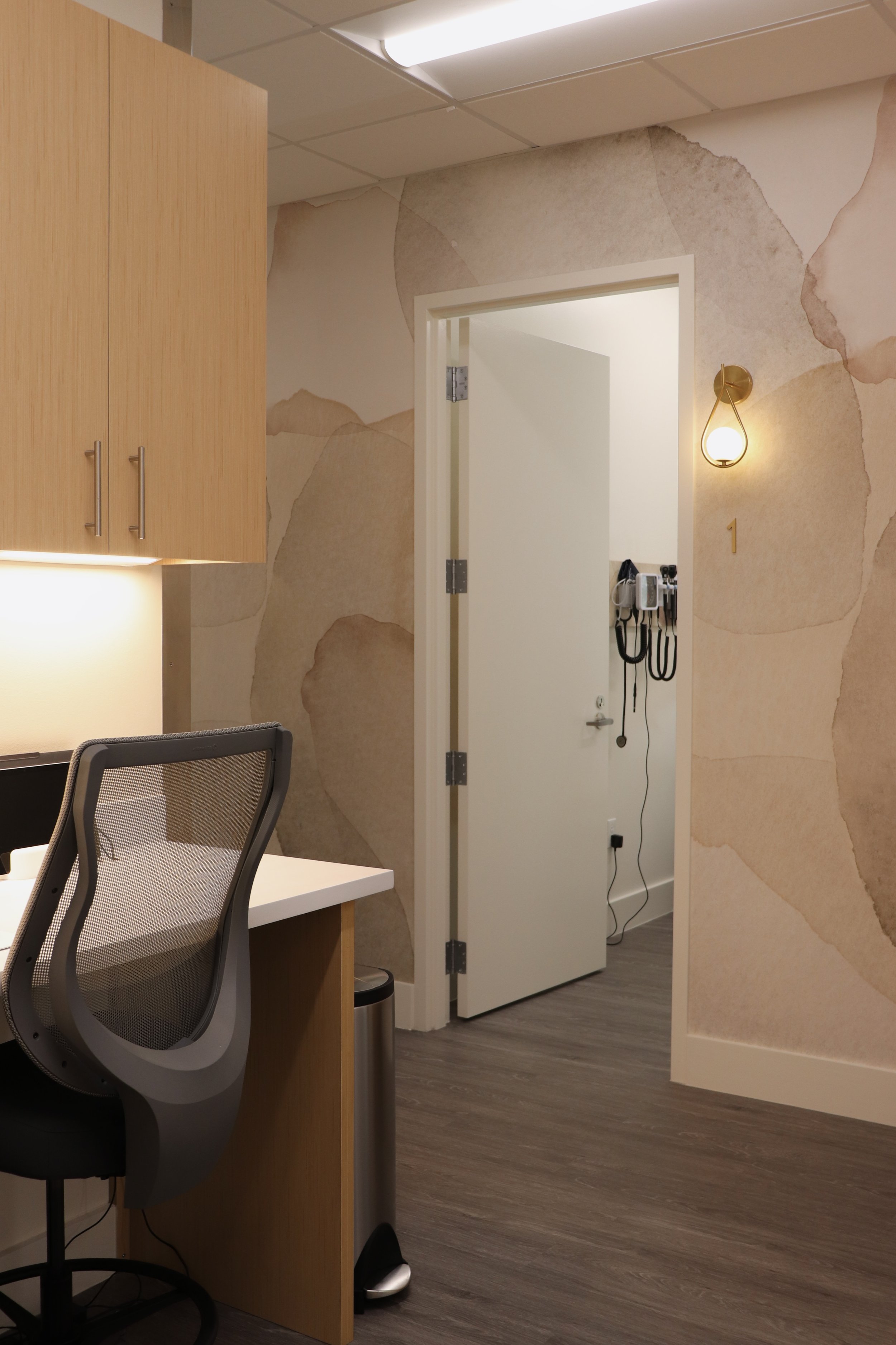
A private place to talk about desire, comfort, and intimacy
Changes in desire, comfort, or intimacy are among the most common concerns women have, and among the least likely to come up in a rushed appointment. Many women assume it is just part of getting older, or feel awkward raising it at all.
At Femme Executive Health, sexual health is part of caring for the whole woman. Dr. Kate Freeman, a board-certified family medicine physician and Menopause Society Certified Practitioner (MSCP), offers a private, unhurried place to talk about it, and real options to help.
Concerns Women Bring to Dr. Freeman
Low libido, or a change in desire
Vaginal dryness, irritation, or discomfort
Pain with sex
Changes in arousal or response
Urinary changes after menopause, such as urgency or more frequent infections
Wondering whether medications, stress, or sleep are playing a role
These are health concerns, and they deserve a real medical conversation.
Why Desire and Comfort Change
Desire and comfort are shaped by many things at once: hormones, especially during perimenopause and menopause; some medications; sleep, stress, and fatigue; other health conditions; and what is happening in your relationships and your life. More often than not, it is a combination, which is why a quick fix rarely works and a thoughtful evaluation does.
Vaginal Dryness and Genitourinary Syndrome of Menopause
As estrogen declines, the tissues of the vagina and urinary tract can become thinner, drier, and more easily irritated. The medical term is genitourinary syndrome of menopause, or GSM. It is very common, and unlike hot flashes, it often does not ease with time on its own. It is also very treatable. Many women never mention it simply because no one asks.
Everything is discussed privately, at your pace, and nothing is decided without you.
How Sexual Health Care Works at Femme
Your first appointment is a conversation. Dr. Freeman listens, asks about your health, your medications, and what has changed, and explains what may be contributing. From there, your options may include:
Treatment for vaginal dryness and discomfort, including vaginal estrogen or DHEA, and CO2RE Intima vaginal restoration therapy
Hormone Therapy when it is appropriate
A review of medications that may be affecting desire or comfort
Lab work where it is useful
Referral to trusted specialists, such as pelvic floor physical therapy, when it would help

Questions Women Ask
-
Low desire usually has more than one cause, from hormonal changes and medications to sleep, stress, and other health conditions. Dr. Freeman looks at the whole picture to understand what is contributing for you.
-
It is common, but common does not mean you have to accept it. If it bothers you, it is worth a conversation.
-
For some women, hormone therapy, including local vaginal treatment, can help with dryness and comfort. Whether it is right for you depends on your history and your goals.
-
Dr. Freeman has these conversations every day. Appointments are private and unhurried, and you share only what you are comfortable sharing.
-
No. Concerns about desire, comfort, or intimacy can come up at any stage of life, and every one of them is worth discussing.
-
No. Start with a complimentary Welcome Visit to meet Dr. Freeman, tour the clinic, and ask questions, with no obligation. If you would like a full clinical assessment without joining, the one-hour Consultation Visit ($400) includes a written report, and the fee applies toward membership if you join later.

A Private Place to Start
Meet Dr. Freeman before you decide. The Welcome Visit is complimentary, takes about an hour, and comes with no obligation and no pressure. Tour the clinic, ask your questions, and see whether Femme is the right fit.Or call (225) 532-2300
6411 Perkins Road, Suite 201, Baton Rouge